
Market
US–Mexico trade
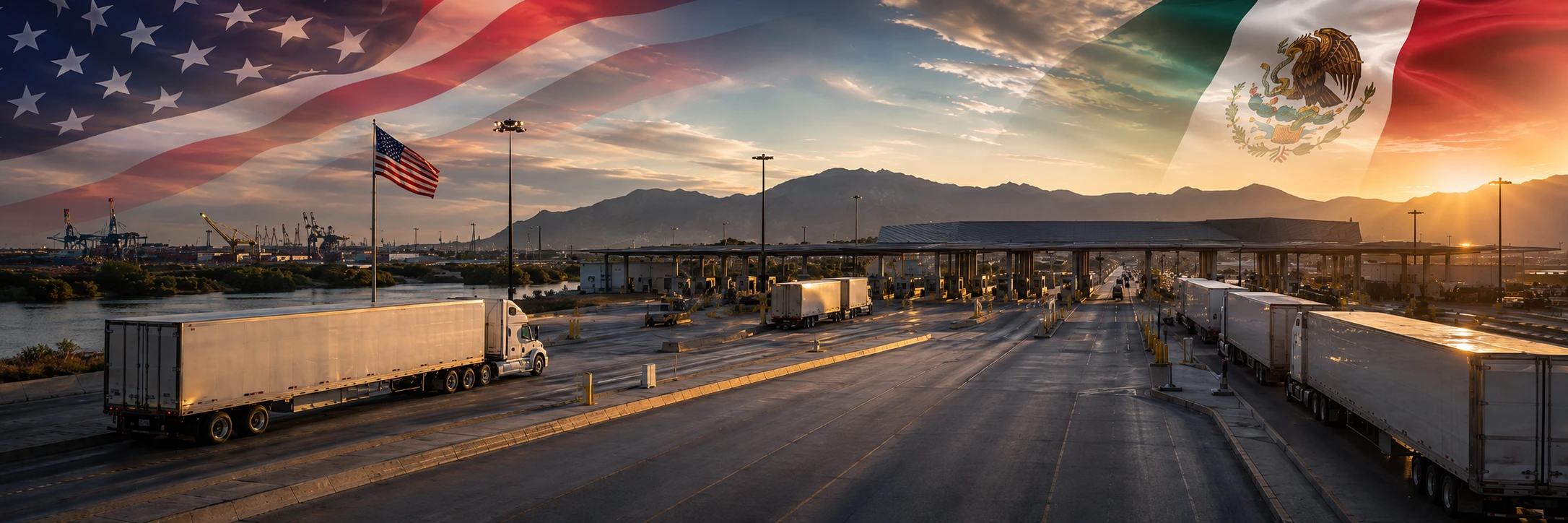
The United States and Mexico trade as neighbours, but companies on each side operate with different expectations around pricing, documentation, lead times and relationships. This page explains how cross-border trade works commercially and where Summit Trading Group fits.
One corridor, two commercial cultures
Cross-border trade between the United States and Mexico is not only a logistics question. Before a shipment ever moves, two companies have to agree on specification, price, payment terms, lead times and who carries which responsibility.
That agreement is where most opportunities are won or lost. A buyer who assumes US-style purchasing terms and a supplier who quotes on Mexican-market assumptions can negotiate for weeks and still be describing two different deals.
Summit Trading Group works in both markets and both languages, so the commercial terms are understood the same way on both sides before anyone commits.
Directions of trade
Both directions, handled the same way
We work with companies moving product either way across the corridor.
Mexico to the United States
Manufacturers and suppliers in Mexico looking for US buyers, distributors or retail channels for existing production capacity.
United States to Mexico
US companies introducing products into the Mexican market, or sourcing components and finished goods from Mexican manufacturers.
Sourcing on either side
Buyers who care about landed cost and reliability more than origin, and want the corridor evaluated as one supply base.
Distribution and market entry
Manufacturers who want an ongoing channel relationship rather than a single transaction.
Where deals stall
The friction points we work through
Most cross-border opportunities do not fail on the product. They fail on the commercial detail around it.
Specification drift
The buyer's specification and the supplier's quoted product are close but not identical, and nobody catches it until samples arrive.
Price basis
One side quotes ex-works, the other is thinking landed cost. The gap looks like a disagreement on price when it is a disagreement on terms.
Documentation and requirements
Labelling, certification and regulatory requirements differ by category and destination market, and they need to be identified before an order, not after.
Follow-through
An introduction is not a relationship. Without someone managing the conversation, promising matches quietly go cold.
Our role
What Summit Trading Group does, and does not do
Summit Trading Group is a B2B trading company. We identify the opportunity, qualify both sides, and manage the commercial relationship from first contact through to a completed transaction.
We are not a freight forwarder or a customs broker. Freight, customs and regulatory steps are coordinated with qualified independent providers when a transaction requires them.
- Identify and qualify manufacturers, suppliers and buyers on both sides
- Align specification, pricing basis and commercial terms before commitments
- Manage the negotiation in both languages
- Coordinate logistics, documentation and compliance steps with independent specialists
Questions about cross-border trade
- Do I need a company in Mexico to buy from Mexican suppliers?
- Not necessarily. The structure depends on the transaction, the category and how the parties agree to trade. We outline the practical options for your specific case before anything is committed.
- How long does a first cross-border transaction take?
- It depends on the product, the certification requirements and the readiness of both parties. A clear specification and realistic pricing expectations are what shorten the timeline most.
- Who handles customs and freight?
- Qualified independent providers, coordinated as part of the transaction. Summit Trading Group is the commercial partner, not the customs broker or carrier.
- Which categories cross the corridor most easily?
- Less regulated categories move faster simply because there are fewer approval steps. Regulated categories are viable, but only when the applicable requirements are identified early and can be met.
Discuss a cross-border opportunity
Tell us the product, the direction of trade and the market, and we will tell you whether it is a realistic fit.